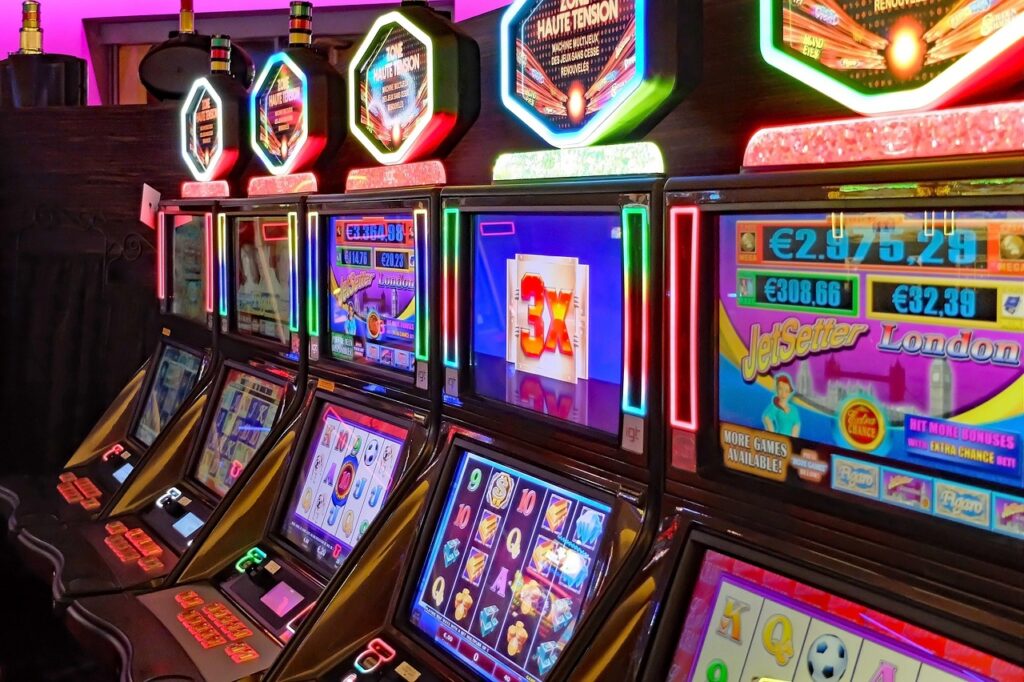
Ever wondered why it’s so hard to stop spinning once you start playing an online slot? It’s not just luck or habit—there’s science behind it. Today’s digital slot machines are no longer just virtual versions of the classic one-armed bandits; they’ve evolved into highly engineered experiences designed to keep players engaged. Borrowing heavily from video game mechanics—like unlockable levels, animated rewards, and player progression—online slots have become immersive entertainment ecosystems. These changes are no accident; they are strategic design choices that tap into deep-rooted psychological principles. For a closer look at how developers use gamification to keep players hooked, you can read more on newsexaminer.net. The fusion of gambling and gaming has created a new form of entertainment—one that combines fun, suspense, and behavioural science in ways that are more engaging (and more addictive) than ever before.
The Power of Variable Rewards
At the heart of slot design lies the principle of variable rewards. This psychological mechanism involves delivering payouts at unpredictable intervals. Unlike a fixed reward schedule—such as getting a win every fifth spin—online slots reward players randomly. This randomness keeps players in a state of anticipation, which stimulates the brain’s dopamine system. Dopamine, often associated with pleasure and motivation, spikes when rewards are unexpected. The more unpredictable the reward, the stronger the release—making it easy to fall into a cycle of “just one more spin.”
Near-Misses and the Illusion of Control
Closely related to this is the concept of near misses. Slot machines are designed to occasionally display results like two matching symbols with the third just barely missing. These near wins create the illusion of progress and trick the brain into believing that a win is close, which reinforces the urge to keep spinning. Paired with features like “choose your bonus” or “hold and spin,” players may feel like they’re making strategic decisions—when in reality, outcomes are entirely random.
Sights, Sounds, and Sensory Reinforcement
Modern slots also use visual and auditory cues to great effect. Flashing lights, upbeat music, and celebratory animations are triggered even by small wins. This sensory feedback makes every spin feel rewarding, even when the payout is less than the initial bet. For instance, a €0.20 win on a €1.00 bet may still trigger fanfare, masking the fact that the player is down €0.80. This distortion of perceived success is a key reason why players stay engaged longer than they might intend.
The Role of Gamification in Long-Term Engagement
Another highly effective tactic is gamification—transforming slot play into a mission-driven experience. Today’s slots often include achievements, daily goals, levels, and collectibles, all of which give players a sense of purpose beyond mere monetary reward. Instead of just spinning to win, players spin to progress, unlock content, or rank higher on leaderboards. This mirrors progression systems in mobile and console games, tapping into goal-driven behaviour.
Social Mechanics and Community Features
Additionally, many modern slot games incorporate social features like tournaments, global jackpots, or shared missions. These multiplayer elements appeal to our social instincts and make gameplay feel more interactive and communal. Whether competing for leaderboard positions or working together in shared challenges, players experience an added layer of excitement that goes beyond solitary play.
Understanding the Mechanics: Play Smarter, Not Longer
The most addictive slots are designed not only to entertain but also to exploit psychological triggers. By understanding how sound, visuals, unpredictable rewards, and gamified elements influence player behaviour, you can better recognise when you’re being drawn into a loop. Enjoyment doesn’t have to mean excess. By being aware of these mechanics, players can make more informed decisions, set healthy limits, and enjoy the experience without getting caught in the spin-win-repeat trap.
