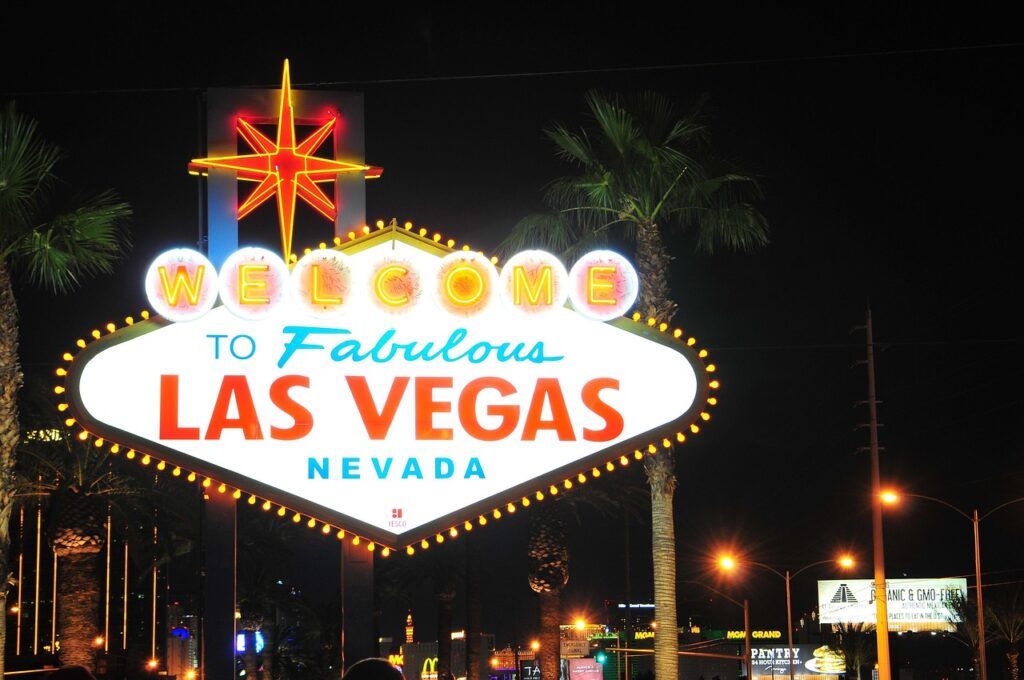
The glitz and glamour of Las Vegas aren’t confined to the neon-drenched streets of the Strip anymore. Today, many of the sensory and psychological tactics that shape the physical casino experience are being reimagined for the digital world. Online casinos may not have real chips or ringing slot machines, but they replicate the same sense of immersion through carefully crafted visuals, audio, and user flow. The goal is the same: keep players engaged, entertained, and eager to stay. One key area where this becomes clear is in how design, color, and aesthetics influence how players interact with games and interfaces. If you’re interested in exploring the deeper relationship between visual elements and player engagement, this article on vgleaks.com offers a thorough look at how these principles shape the online gaming environment. From background textures to font choices, the transition from physical to digital is no accident—it’s a masterclass in psychological design.
Visual Impact: Why Color Still Dominates the Experience
Casinos have always used bold, vibrant colors to stimulate excitement and energy. Red, for instance, is associated with urgency and passion, making it ideal for buttons like “Spin” or “Play Now.” Online casinos build on these traditions, blending warm tones with eye-catching graphics to create a high-energy atmosphere. But there’s also a modern twist: UX designers now use gradients, motion backgrounds, and theme-based palettes to build environments that feel both immersive and contemporary. Cool hues may dominate in live dealer lounges to suggest calm professionalism, while brighter tones rule in slot lobbies to drive high-tempo fun.
Digital Floorplans: How Navigation Mimics Casino Layouts
Physical casinos are famously designed to keep you moving—often in circles—with no clear sightlines or exits. The goal? Maximize exposure to games and offers. Online casinos adopt this philosophy in their digital architecture. Rather than confusing layouts, players are presented with smooth, scrollable menus and curated categories. Featured games, limited-time bonuses, and loyalty offers are placed just a click away from the homepage. This clever structuring keeps players browsing longer and returning more often—just like wandering into “one last section” of a Vegas floor.
Soundscapes and Simulated Atmosphere
Sound is another powerful cue lifted from the Vegas playbook. In physical spaces, the sound of coins clinking, machines buzzing, and players celebrating all serve as constant reinforcements that something exciting is happening. Online platforms mimic this with responsive sound effects—wins come with musical flourishes, bonus rounds have celebratory jingles, and even navigation clicks are designed to feel satisfying. Many live casinos even add subtle crowd noise and dealer banter, reinforcing the social, human element of the experience.
Time Disappears: Immersion Through Continuity
Casinos are notorious for eliminating clocks and natural light to remove time awareness. Online, that’s achieved through uninterrupted gameplay and real-time events. There are no pauses between hands, no visible timestamps ticking away. Players are encouraged to engage in tournaments, unlock timed bonuses, or chase progressive jackpots, all of which keep the experience flowing. Features like autoplay or live streaming keep users in the moment longer, encouraging a continuous loop of play that mirrors the timeless Vegas floor.

Conclusion: Design That Keeps Players Coming Back
The evolution from physical casino floors to digital screens has retained more than just the games—it has carried over a deep understanding of player psychology. From color psychology and navigational flow to immersive audio and temporal tricks, online casinos use design to create a compelling, emotionally engaging space. While technology changes, the principles of engagement remain remarkably consistent. And if anything, the digital shift has only enhanced the precision with which these principles are applied.
